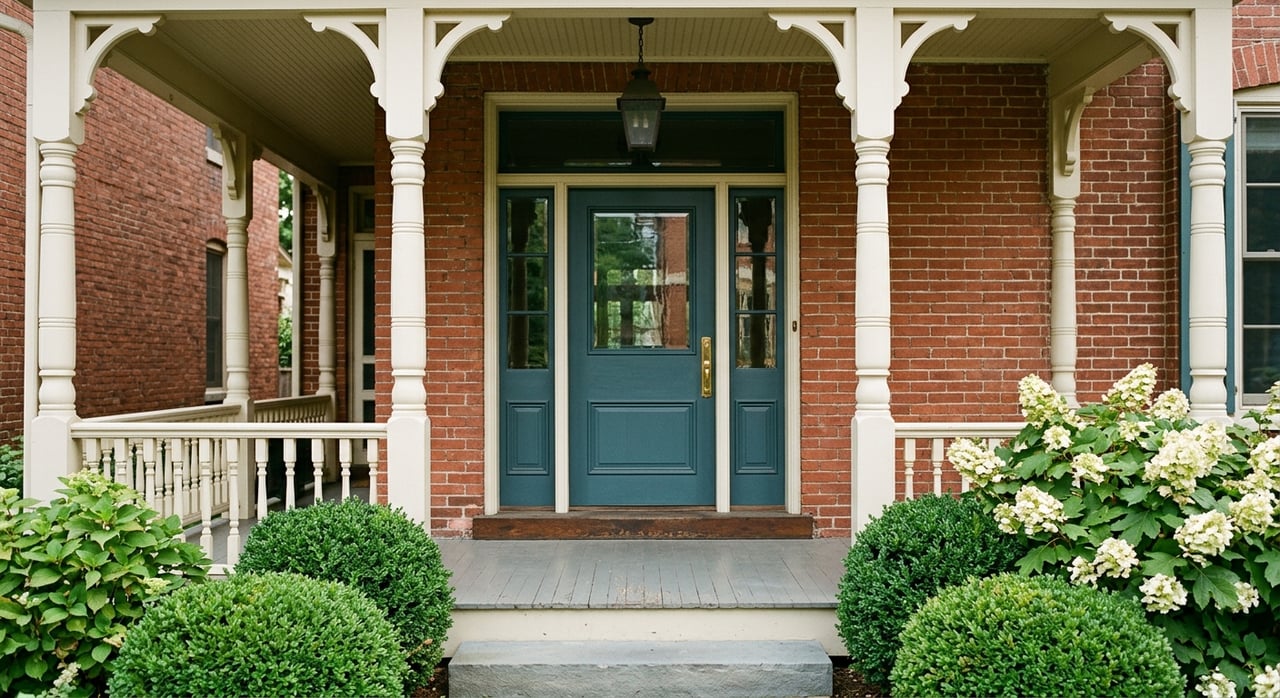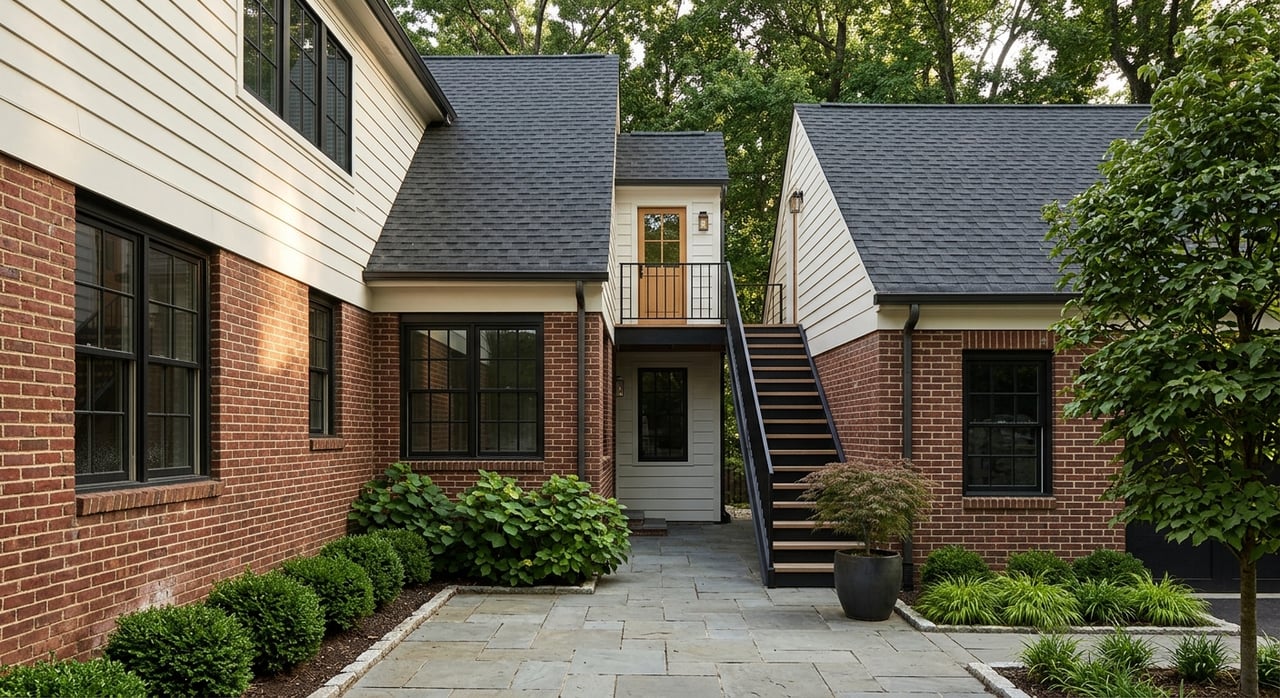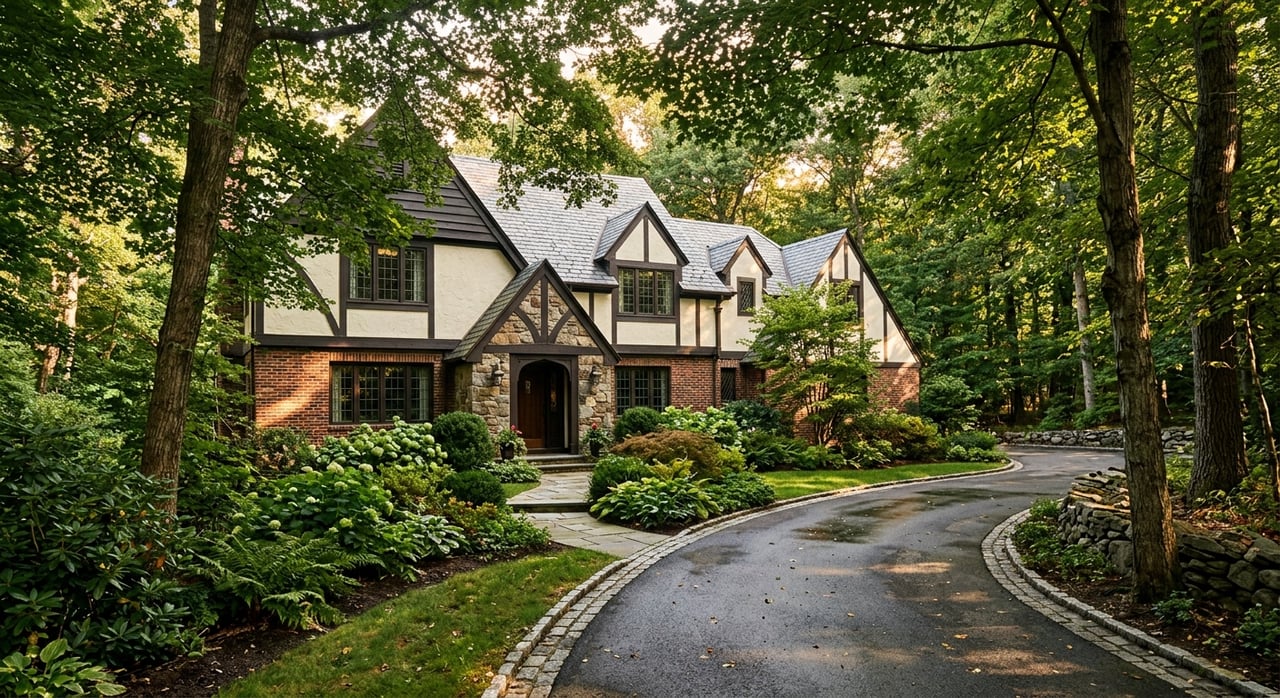
If you are looking for a Nashville-area neighborhood that feels tucked away without feeling far away, Oak Hill stands out fast. This small city has built its identity around space, privacy, and a carefully protected residential setting. If you want to understand what gives Oak Hill’s estate neighborhoods their distinct feel, this guide breaks down the features that shape everyday life there. Let’s dive in.
Oak Hill Starts With Preservation
Oak Hill is not just a neighborhood name on a map. It is an incorporated city in Davidson County that was established in 1952 to preserve its residential character. According to the city, it spans about 8 square miles, includes roughly 1,800 homes, and has around 4,700 residents.
That foundation matters because Oak Hill is completely residential and has no commercial establishments. In practical terms, that means the area was shaped to prioritize homes, open space, and a quieter streetscape rather than retail corridors or mixed-use density. It also gives the city a distinct identity within the Nashville area.
Large Lots Shape the Estate Feel
One of the biggest reasons Oak Hill feels different is its zoning. The city has six main residential zones, all for single-family dwellings, with minimum lot sizes ranging from 10,000 square feet in Zone A to 4 acres in Zone F. That range creates room for many properties to feel more spread out than what you would see in a conventional subdivision.
For buyers, that often translates into more distance between homes, more yard space, and a stronger sense of privacy. Even when homes vary in age or design, the lot structure helps create a lower-density setting. That spacious layout is a defining part of Oak Hill’s estate-neighborhood character.
Single-Family Zoning Matters
Because Oak Hill’s residential zones are designed for single-family dwellings, the overall streetscape stays consistent with the city’s long-term goals. You do not have the same development pattern you might find in areas with a heavier mix of uses or denser housing types.
That consistency helps protect the quiet, residential atmosphere many buyers are looking for. It also supports a more cohesive visual experience from street to street, especially in areas with larger parcels and mature landscaping.
Steep Slopes Limit Overbuilding
Oak Hill’s topography also plays a major role. On steep-slope sites, the city requires new subdivisions to use a 2-acre-per-lot minimum, limit development to the building envelope, and preserve natural vegetation as much as possible.
Those standards help prevent the kind of overbuilt look that can make hillside neighborhoods feel crowded. Instead, the land itself stays a visible part of the setting. That gives many Oak Hill streets a more natural, estate-style appearance.
Trees and Topography Create Privacy
Large lots are only part of the story. Oak Hill’s emphasis on tree preservation and natural resources reinforces the landscape-first feel that people often notice right away. More tree canopy and fewer rooflines per acre can make the area feel sheltered, green, and visually calm.
This is especially important in a market where privacy often comes from more than square footage alone. In Oak Hill, mature trees, rolling terrain, and preserved vegetation work together to create separation between homes. That natural screening is one reason the city can feel private without feeling isolated.
The Homes Reflect Oak Hill’s History
Oak Hill does not publish a formal architectural style inventory, so the clearest picture comes from its history and development pattern. The city notes that homebuilding accelerated after World War II, and that timing aligns with postwar housing forms common in the Nashville area.
In practical terms, buyers may find older mid-century homes alongside newer custom construction. That mix is part of what makes Oak Hill interesting. Instead of a one-note neighborhood built in a single decade, you often see an evolving residential landscape shaped by large lots and long-term ownership.
Expect Variety, Not Sameness
Postwar neighborhoods in Nashville commonly featured Minimal Traditional, Ranch, and Split-Level forms with low horizontal lines, brick veneer, and attached carports. In Oak Hill, those older homes can sit on generous parcels that leave room for renovation, expansion, or replacement over time.
That means the estate feel does not come from one specific architectural style. It comes from the combination of land, mature surroundings, and homes that often have breathing room around them. For many buyers, that variety feels more established and more personal than a uniform new-build community.
Quiet Living With City Access
A major part of Oak Hill’s appeal is that it feels calm without being cut off. The city sits just south of downtown Nashville, with its north boundary at Woodmont Boulevard. That location gives residents practical access to Green Hills and central Nashville while preserving a residential atmosphere at home.
This balance is a big reason Oak Hill attracts attention from buyers who want space but still need convenience. You can enjoy a lower-density setting and remain connected to key parts of the metro. That combination is not easy to find in many close-in areas.
Outdoor Access Adds Everyday Value
Oak Hill’s setting is also strengthened by its access to major natural amenities. Radnor Lake is one of the area’s signature outdoor destinations, and nearby Warner Parks add more than 3,100 acres of forest and field with hiking, mountain biking, equestrian use, golf, and nature-center programming.
For buyers, this means the estate-neighborhood lifestyle is not only about what sits on your lot. It is also about what surrounds the city. The nearby open space adds to the sense of retreat and helps Oak Hill feel greener and more expansive than many other in-town locations.
Small-City Services Support the Setting
Oak Hill’s appeal is not just visual. The city also provides services that help maintain its residential environment, including street maintenance, monthly chipper service, weekly back-door trash and recycling pickup, right-of-way maintenance, and building-code inspections. Metro Nashville handles police and fire services.
This small-city service model supports the area’s carefully managed feel. It is one reason Oak Hill reads less like open countryside and more like a polished residential enclave. For homeowners, that can add real day-to-day value.
Schools Are Part of the Practical Appeal
For many buyers, location decisions also come down to logistics. Oak Hill is near several independent schools, including Oak Hill School, Father Ryan High School, Harpeth Hall in the Green Hills area, and Lipscomb Academy on Granny White Pike.
For public school assignments, Metro Nashville Public Schools states that zoning is based on residential address, and some streets may split boundaries. That is why buyers should verify the exact parcel using district maps and the Zone Finder when school assignment is part of the decision-making process.
What Makes Oak Hill Different From Other Luxury Areas
Many Nashville-area communities offer attractive homes and convenient locations. Oak Hill stands apart because its identity is rooted in preservation, low-density single-family zoning, large minimum lot sizes, heavy tree cover, and rolling terrain.
Taken together, those features create a setting that feels private and residential while still being close to downtown Nashville. If you are comparing higher-end areas, Oak Hill is often less about flashy uniformity and more about land, canopy, and long-term neighborhood character.
Who Oak Hill Often Appeals To
Oak Hill can be especially appealing if you want more separation between homes, a quieter setting, and a property with a stronger relationship to the land. It may also stand out if you value proximity to central Nashville but do not want to feel surrounded by denser development.
For sellers, these same qualities can shape how a home is positioned in the market. Lot size, privacy, topography, tree cover, and access to nearby amenities all help tell the story of why Oak Hill is different. That story matters when you are pricing, marketing, and presenting a home thoughtfully.
If you are thinking about buying or selling in Oak Hill, working with a team that understands how to position space, setting, and neighborhood character can make a real difference. The Kyle Smallen Group brings local market insight, responsive guidance, and a tailored approach to help you navigate your next move with confidence.
FAQs
What makes Oak Hill unique compared to other Nashville neighborhoods?
- Oak Hill stands out for its completely residential identity, single-family-only zoning, large minimum lot sizes, mature tree cover, and rolling topography close to downtown Nashville.
Are Oak Hill homes typically on large lots?
- Yes. Oak Hill’s six residential zones have minimum lot sizes ranging from 10,000 square feet to 4 acres, which helps create a more spacious, estate-style setting.
Does Oak Hill have commercial areas or shopping centers?
- No. The city states that Oak Hill is completely residential and has no commercial establishments.
What types of homes are found in Oak Hill?
- Buyers may find a mix of older postwar homes, including mid-century forms, alongside newer custom construction on larger residential lots.
Is Oak Hill close to parks and outdoor recreation?
- Yes. Oak Hill is closely associated with Radnor Lake, and nearby Warner Parks offer more than 3,100 acres with a range of outdoor recreation options.
How can buyers verify school assignments for an Oak Hill home?
- Metro Nashville Public Schools assigns students by residential address, so buyers should confirm the exact parcel using official district maps and the Zone Finder.