If you are thinking about buying a rental property near Franklin, you are probably asking a practical question first: will the numbers and the long-term opportunity justify the high price of entry? That is a fair concern in a market where home values and rents both run above many other Middle Tennessee areas. The good news is that Franklin offers a strong long-range story for buyers who want premium rental demand, potential appreciation, and a location with staying power. Let’s dive in.
Why Franklin gets investor attention
Franklin stands out as a high-income housing market with strong homeownership and expensive real estate. The U.S. Census Bureau estimates the city had 89,142 residents in 2024, a median household income of $119,528, a 63.8% owner-occupied housing rate, a median owner-occupied home value of $705,400, and a median gross rent of $1,923.
For you as an investor, that mix matters. Higher household income can support higher rents, but the elevated purchase prices can make monthly cash flow tighter, especially if you are financing a large portion of the purchase. In many cases, Franklin looks more attractive as a long-term wealth play than as a quick cash-flow market.
The city’s housing strategy also points to future demand. Franklin projects population growth of 44% from 2022 to 2040, reaching about 128,089 residents. If you are planning to hold a property for years rather than chase short-term returns, that growth outlook is worth paying attention to.
What rental property types are common
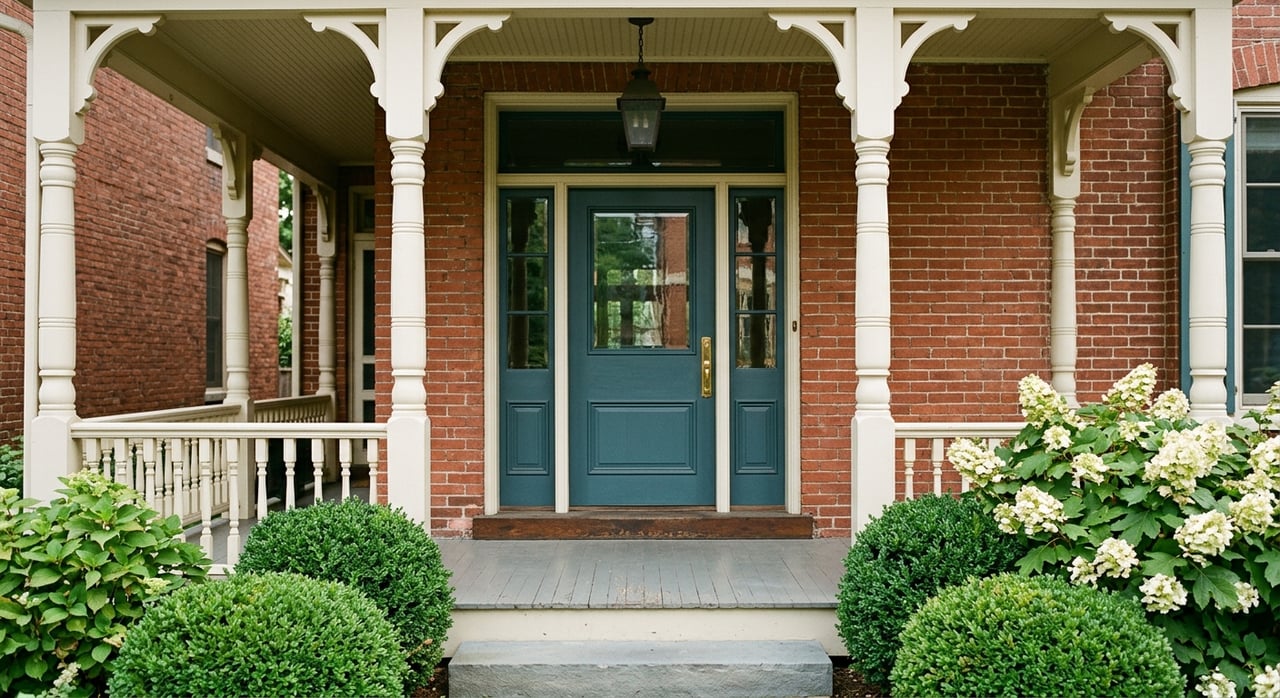
Franklin’s housing stock includes single-family homes, townhomes and condominiums, and apartments. Those are the main property types you will likely compare if you are looking for a rental around Franklin or elsewhere in Williamson County.
If you are hoping to find a true small multifamily property, your options may be limited. The city reports that among multifamily rental buildings built from 2000 to 2019, 51% had 20 or more units, 33% had 5 to 19 units, and only 2% had 2 to 4 units. In simple terms, smaller multifamily inventory is not the dominant part of the newer rental supply.
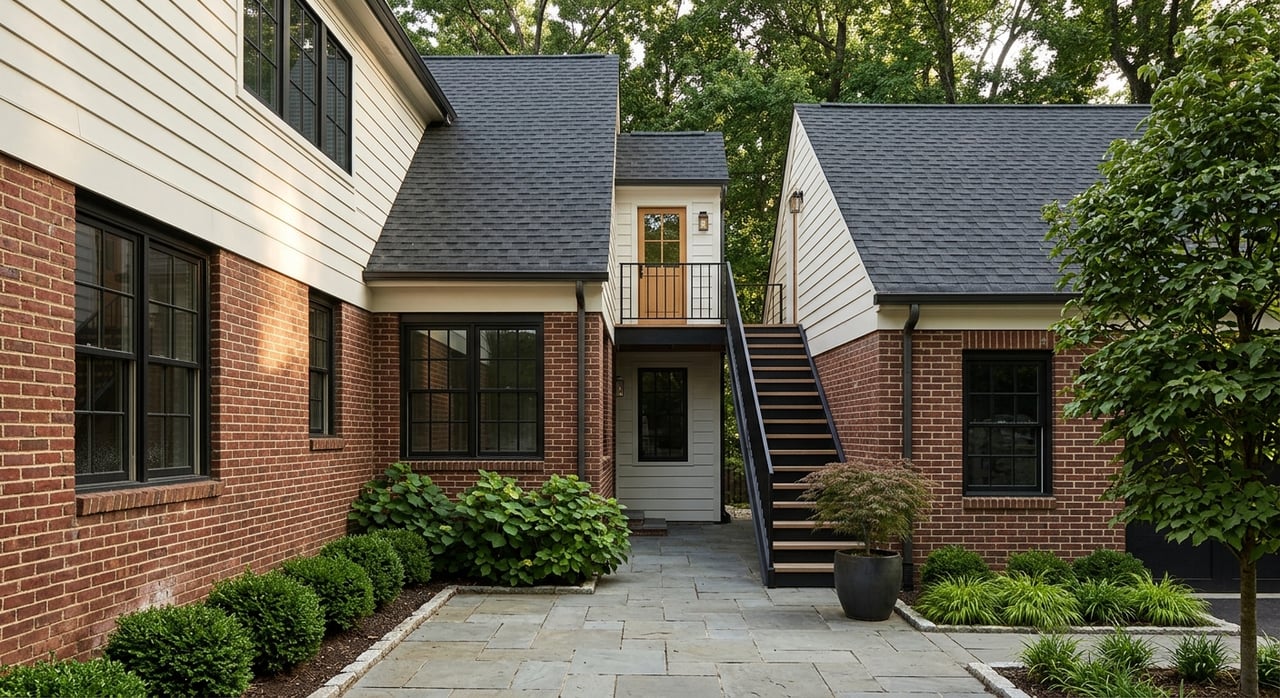
That pushes many investors toward condos, townhomes, or detached houses. Those property types may also line up well with Franklin’s household mix, since one- and two-person households account for 57% of households in the city.
Who may rent in Franklin
Franklin’s demographics can help you think through product fit. The city says the highest current and projected growth through 2026 is among residents age 55 and up. That does not point to one single tenant type, but it does suggest demand for homes that are manageable, lower maintenance, and easy to live in.
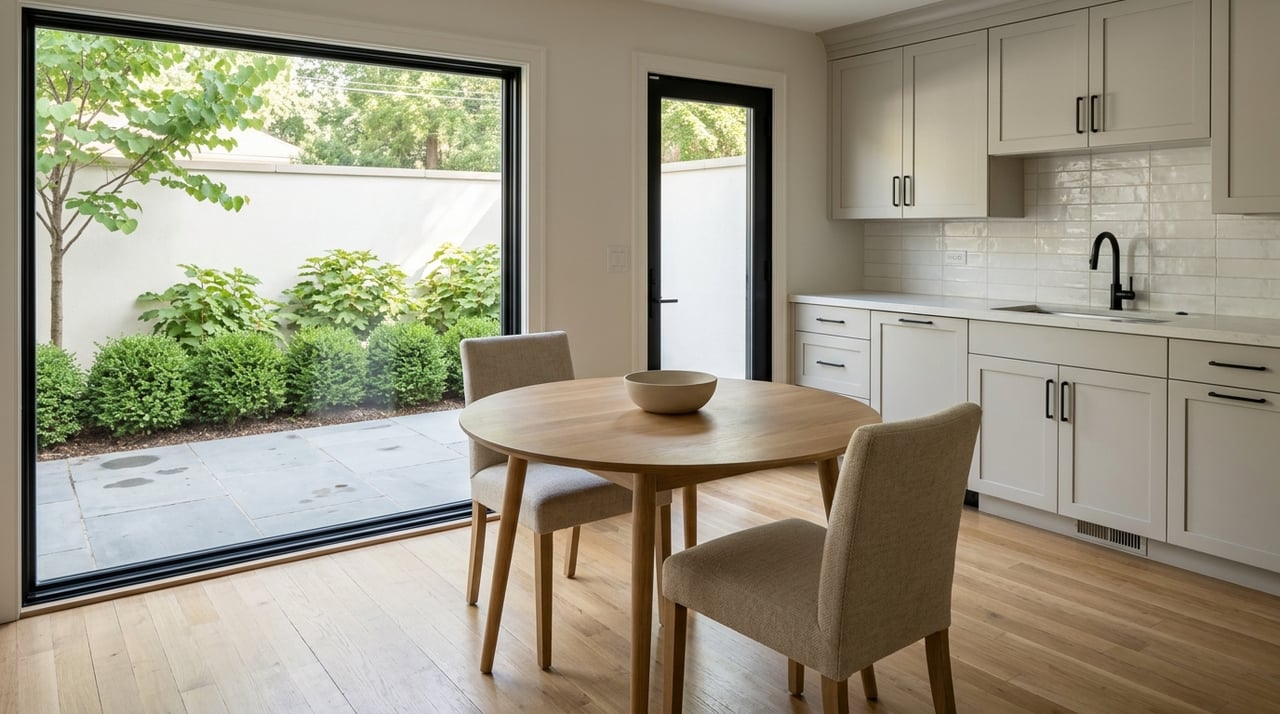
For you, that can make condos, townhomes, and smaller detached homes worth a close look. A property that is easy to maintain, well-located, and practical for everyday living may appeal to a broader rental audience than a more specialized property.
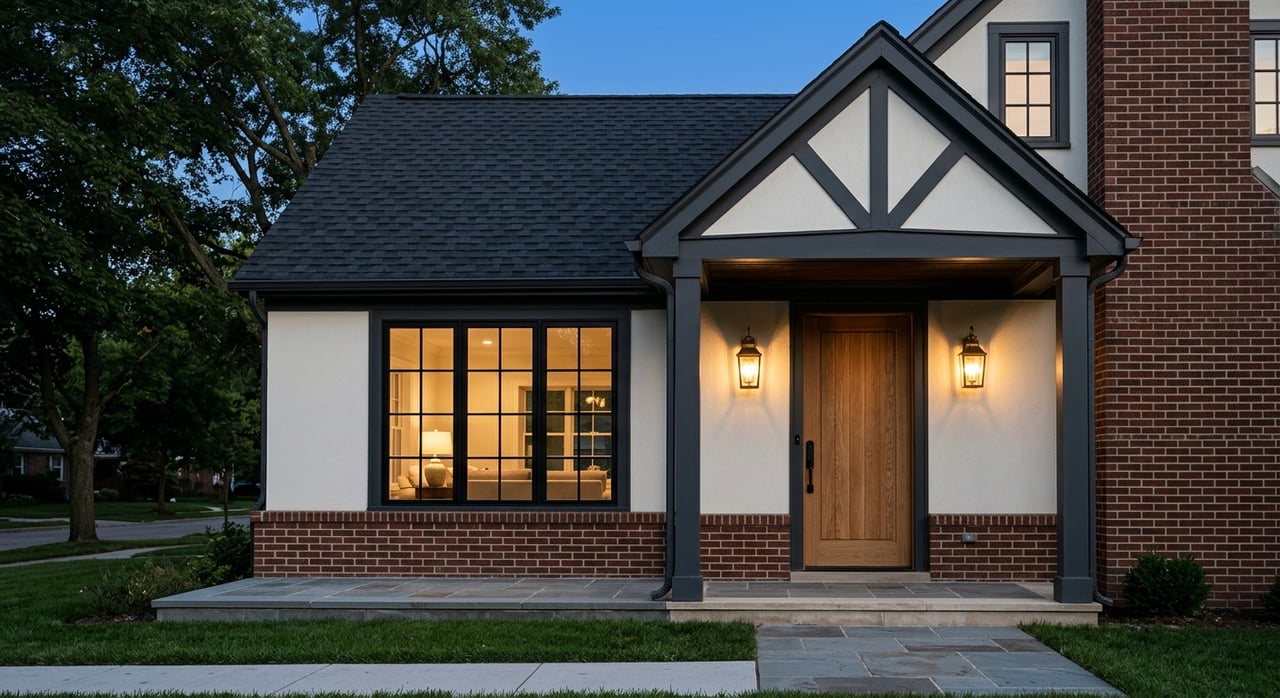
Single-family homes still have a place in the market, especially if you are targeting renters who want more space or privacy. But because carrying costs can be higher, it is especially important to compare rent potential with your purchase price, taxes, insurance, and maintenance budget.
What rents look like in Franklin
No matter which data source you use, Franklin shows up as a premium rental market. RentCafe reports average apartment rent at $2,070, including about $1,747 for a one-bedroom, $2,153 for a two-bedroom, and $2,935 for a three-bedroom apartment.
Trulia, which includes a wider mix of rental property types, reports an overall average rent of $2,950. Its data shows apartments averaging $1,908, townhomes at $2,700, and houses at $4,167, with bedroom-based pricing rising from $1,694 for one-bedroom rentals to $4,450 for four-bedroom rentals.
These figures are not identical because the sources use different methods and property mixes. Still, they point in the same direction: rents in Franklin are high, and larger homes can command a substantial premium if the property and location support it.
Franklin’s own housing strategy found a median rent of $2,881 across all bedrooms and property types in July 2023. That local figure reinforces the same takeaway and can be useful when you are evaluating whether a listing has realistic rental upside.
Vacancy and supply matter too
Rent levels only tell part of the story. You also need to understand how much competition you may face when your property hits the rental market.
Franklin’s housing strategy found a 4.3% apartment vacancy rate in July 2023. That suggests a relatively tight local market. By comparison, a February 2026 HUD market report for the broader Nashville-Davidson-Murfreesboro-Franklin metro said the apartment market was softer, with a 10.8% vacancy rate in the second quarter of 2025.
Those are not direct apples-to-apples comparisons because Franklin proper and the larger metro are different geographies. Even so, they suggest Franklin may be tighter than the broader regional market, which is a helpful sign if you are focusing specifically on this area.
Current listing counts also hint at limited supply. Realtor.com reported 145 rental properties in Franklin and 310 in Williamson County in March 2026, with a median rental price of $3,300 in Franklin and $2,969 in Williamson County. Those are listing counts rather than true vacancy data, but they still suggest the available rental pool is not especially deep.
The cash flow question to ask first
This is where many investors need to be especially disciplined. Franklin can support premium rents, but that does not automatically mean every purchase will produce strong monthly cash flow.
The Census reports median monthly owner costs with a mortgage at $2,542, compared with a median gross rent of $1,923. That is not a property-specific rule, and it should not replace your own underwriting. But it does suggest that financed purchases may be cash-flow tight unless you bring meaningful equity, buy strategically, or target the upper end of the rental market.
If you are evaluating a property around Franklin, it helps to ask:
- Are you buying for appreciation and equity growth?
- Are you expecting immediate monthly cash flow?
- Are you comfortable with a longer hold period?
- Does the likely rent justify the full cost of ownership?
For many buyers, the best Franklin investment strategy is not chasing maximum yield. It is buying a quality asset in a market with strong long-term demand and realistic rent support.
Long-term rentals vs short-term rentals
Before you buy, be clear about how you plan to use the property. That decision affects your search, your math, and your compliance responsibilities.
Long-term rental considerations
For long-term rentals, Tennessee guidance makes a few things clear. Leases are legally binding, landlords are expected to maintain habitable conditions, emergency repairs should be handled right away, and landlords cannot force tenants out by changing locks or shutting off utilities.
Franklin also actively enforces property maintenance standards. The city’s Property Maintenance division enforces the International Property Maintenance Code, the municipal code, and zoning rules for dwellings and other buildings. For you, that means exterior condition, sanitation, safety, and code compliance should be part of your budget from day one.
Short-term rental rules in Franklin
Short-term rentals are much more regulated locally. Franklin defines short-term vacation rentals as residential dwelling units rented in their entirety for fewer than 21 days, and the city requires an application and approval process.
The city says permits cost $60, and some zoning districts either prohibit short-term rentals or apply additional use rules. For approved existing single-family short-term vacation rentals, the city requires whole-home rental only, no room-by-room rental, no owner staying in the home during the rental period, a business license, a 4% occupancy tax, a local responsible party within 25 miles who can respond 24/7, $1 million in insurance, and review of any HOA covenants and restrictions.
If you are considering a second home with occasional rental use, this is one of the most important planning areas to review before making an offer. A property that works well as a long-term rental may not be a fit for short-term use under local rules.
Taxes and business licensing to review
Your purchase analysis should also include taxes and operational requirements. The City of Franklin lists a property tax rate of $0.296 per $100 of assessed value, with taxes billed and collected by the Williamson County Trustee.
The city also says most businesses, vocations, and occupations operating in Franklin must obtain a city and county business license, and an initial business license must be obtained within 20 days after starting business. That does not mean every long-term landlord is treated the same way in every situation, but it does mean business operations and licensing deserve a closer look if your rental activity rises to that level.
This is one reason investors benefit from planning the ownership and operating structure before closing. It helps you avoid surprises after the property is already in service.
How to think about a smart buy
A strong Franklin-area rental purchase usually starts with strategy, not just a listing alert. You want to match the property type, expected rent, upkeep burden, and intended use before you get emotionally attached.
In many cases, the best fit comes down to your goals:
- Long-term hold: Focus on location, condition, rental durability, and long-range appreciation potential.
- Low-maintenance rental: Consider condos or townhomes that may better match smaller household demand and simpler upkeep.
- Premium rent target: Review detached homes carefully, especially where size and features may support higher rent.
- Part-time personal use plus rental income: Study short-term rental rules early, including zoning, permit needs, insurance, and HOA restrictions.
If you are relocating or buying from out of town, the process gets even more detail-driven. You need clear local insight, realistic rent expectations, and a sharp eye on city rules so you can separate a good-looking property from a good investment.
A thoughtful purchase in Franklin can make sense, especially if you value stability, quality housing demand, and long-term market strength. The key is going in with clear expectations and a plan that matches the realities of this market.
If you are weighing investment or relocation options around Franklin, The Kyle Smallen Group can help you compare property types, evaluate local market conditions, and find a strategy that fits your goals.
FAQs
What makes Franklin, Tennessee attractive for rental property investors?
- Franklin offers high household income, premium rents, and long-term population growth potential, but it also comes with high purchase prices that can tighten cash flow.
What types of rental properties are most common around Franklin?
- The most common options are single-family homes, townhomes or condos, and apartments, while true small multifamily inventory is relatively limited.
What are average rents in Franklin rental properties?
- Reported rents vary by source and property type, but available data shows Franklin as a premium rental market, with apartments around the low $2,000s on average and houses often much higher.
Is Franklin better for cash flow or long-term appreciation?
- Based on the market data in the research, Franklin often looks stronger as a long-term appreciation and equity play than as a pure monthly cash-flow market.
What should buyers know about short-term rental rules in Franklin?
- Franklin regulates short-term vacation rentals closely, including permit approval, zoning limits, business licensing, occupancy tax, insurance requirements, and local contact rules.
What should landlords budget for when owning rental property in Franklin?
- In addition to mortgage and standard ownership costs, you should plan for property taxes, maintenance, code compliance, repairs, and any licensing or operational requirements that apply to your rental use.