If you are trying to decide between a brand-new home and a home in an established Bellevue neighborhood, you are not alone. Bellevue gives you both options, and they can feel very different street by street, even within the same ZIP code. This guide will help you compare price, lot size, HOA costs, condition, and long-term fit so you can make a more confident move. Let’s dive in.
Bellevue gives you more than one market
Bellevue is not a one-note housing market. In March 2026, Redfin reported a median sale price of $446,000 for the Bellevue neighborhood and $525,000 for the 37221 ZIP code, with both described as somewhat competitive.
That matters because the choice between new construction and an established neighborhood is not just about age. In Bellevue, you are often comparing different lot sizes, community layouts, HOA structures, and even different planning goals across the area.
Metro Nashville’s Bellevue Community Plan also shapes how growth happens here. The plan encourages added housing in strategic locations while preserving green space and environmentally sensitive features, which helps explain why some parts of Bellevue feel more built out while others still feel more spacious or rural in character.
What new construction looks like in Bellevue
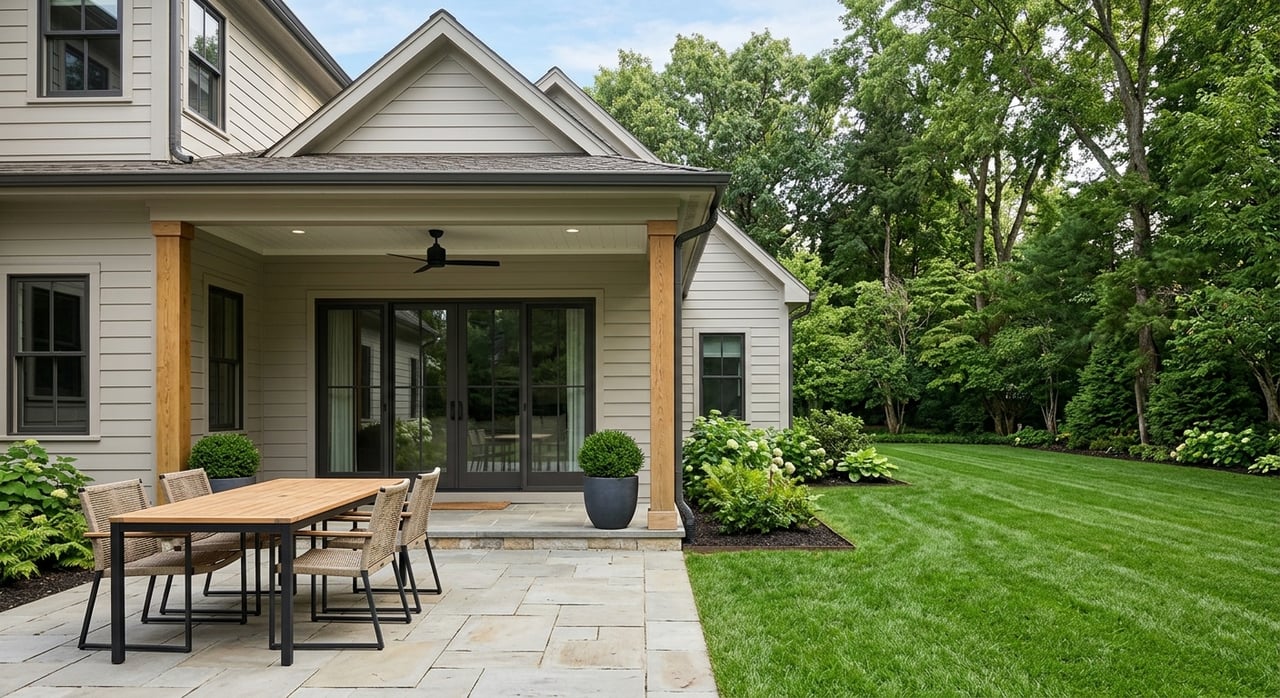
New construction in Bellevue covers a wide range. It can mean an entry-level planned community, an infill home on a smaller lot, or a custom home on several acres.
Current examples in the research ranged from Ridgecrest at Riverwalk starting at $449,900 to higher-end homes like 705 Harpeth Knoll Ct LOT 240 at $869,900, a recent sale at 716 Summit Oaks Ct for $902,400, and luxury offerings such as 7567 Hallows Dr at $1.75 million and 9039 Highway 100 at $1.83 million. That is a wide spread, and it shows why Bellevue buyers need to define their priorities early.
New construction often means newer systems
One of the biggest draws of a new home is predictability. You are more likely to get a newer roof, HVAC, appliances, finishes, and floor plan without needing immediate updates after closing.
For many buyers, that lowers stress in the first few years of ownership. If you want a more move-in-ready experience and less near-term maintenance, new construction can be appealing.
New construction timelines can vary
Not every new home is ready now. Some Bellevue listings, such as Still Springs Ridge examples in the research, are labeled pre-sale new construction or pre-sale to be built.
That means your timeline may depend on where the home sits in the builder’s pipeline. A finished home, a home under construction, and a home not yet started can each create a very different move schedule.
HOA costs are not one-size-fits-all
A common mistake is assuming all new construction in Bellevue comes with the same HOA pattern. It does not.
The research showed a quarterly $150 association fee at 7567 Hallows Dr, while attached-home options in Bellevue included examples like 560 Doral Country Dr with a $320 HOA and River Plantation inventory with a $196 HOA. If you are comparing homes, review the documents and monthly or quarterly costs case by case.
Lot size can change the whole equation
In Bellevue, a new home does not always mean a big yard. Some are built on smaller infill lots, while others sit on multi-acre tracts.
That is important if outdoor space is high on your list. You may find a beautiful new floor plan, but the tradeoff could be a tighter lot or a different community feel than you expected.
What established Bellevue neighborhoods offer
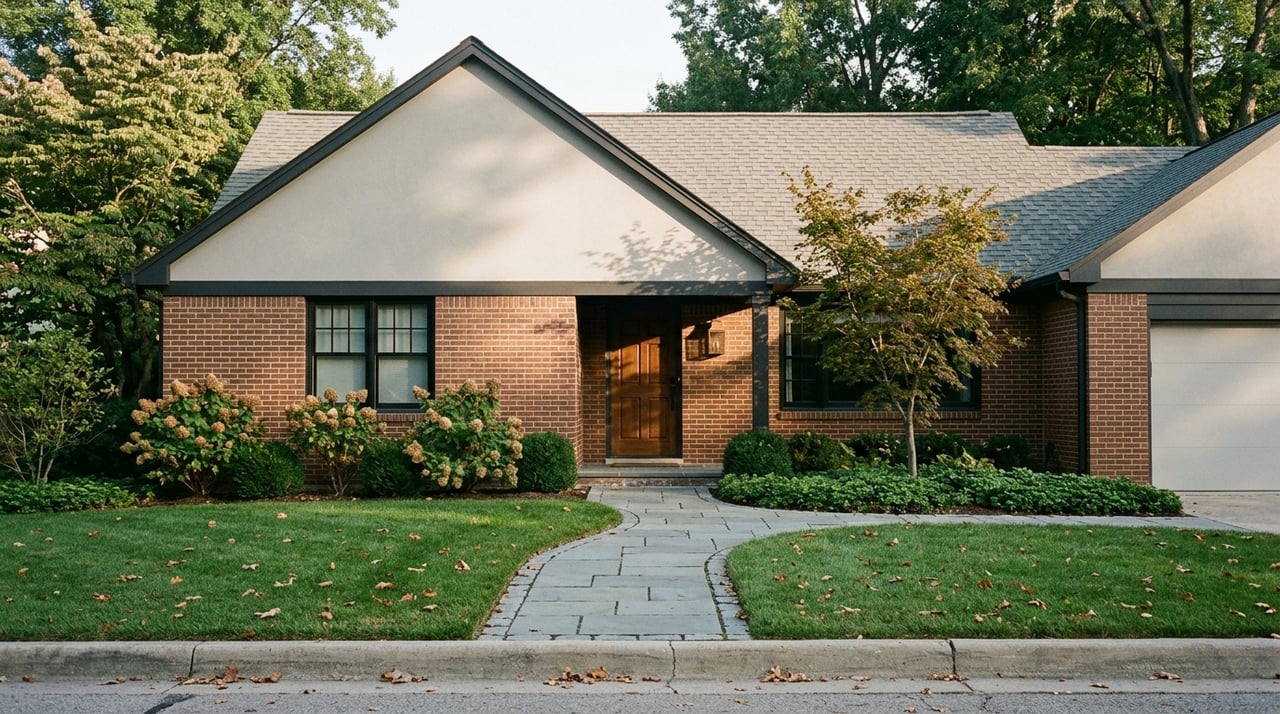
Established neighborhoods in Bellevue also span a broad range. Current examples in the research include homes built in 2001, 1970, and 1977, plus attached homes in long-standing communities.
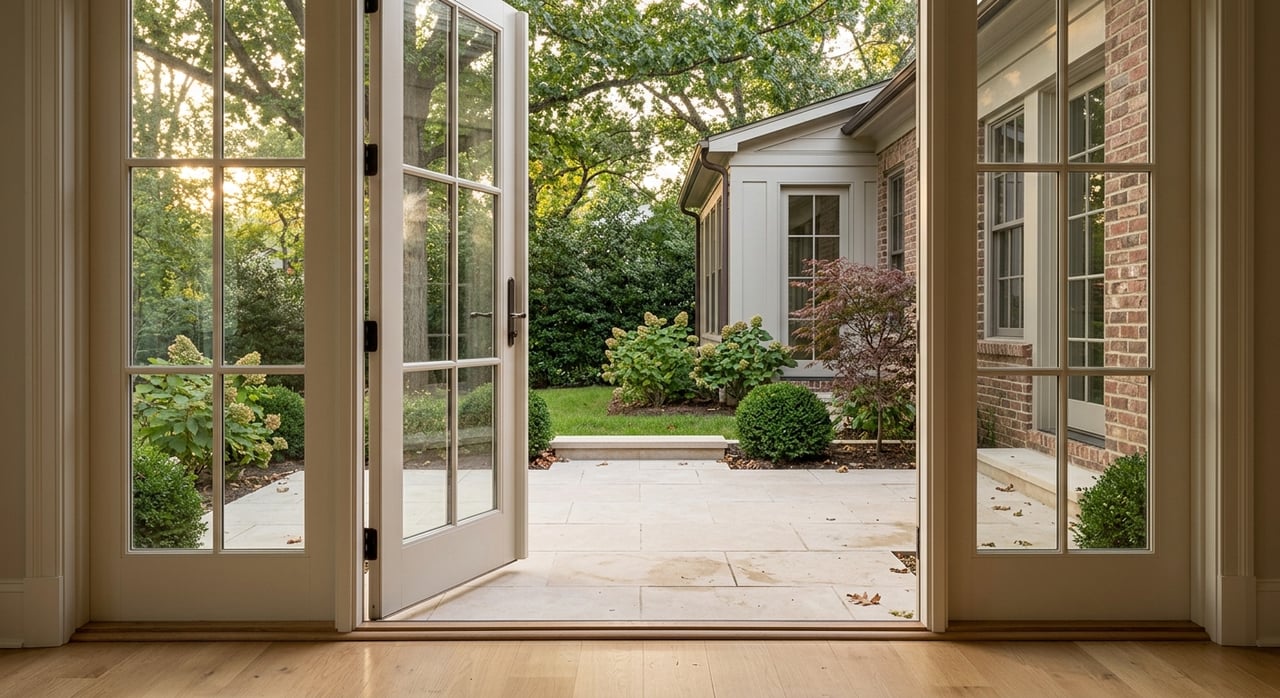
This older stock can offer more variety in architecture, street layout, yard size, and setting. In some parts of Bellevue, that creates a more mature and settled feel than what you may find in a newer development.
Established homes can offer more character and variety
If you like homes and streets that do not all look the same, established neighborhoods may stand out. You may see corner lots, cul-de-sacs, ponds, greenways, fenced yards, and neighborhood playground access depending on the community.
Examples in the research, including areas like Lexington Point and Belle Wood Glen, show the kind of features that often attract move-up buyers who want both function and a more rooted neighborhood feel.
Condition can vary more from house to house
The biggest wildcard with established homes is condition. Some Bellevue listings mention updated roofs, appliances, floors, counters, or renovated kitchens, while others are offered as-is.
That means you need to look beyond the listing photos. Two homes at a similar price point may come with very different future costs for repairs, system updates, or cosmetic work.
Established neighborhoods also include attached homes
Bellevue’s established inventory is not just detached homes. It also includes attached homes and townhome-style communities with shared amenities and HOA structures.
That can open the door for buyers looking for a lower price point or a different maintenance setup. At the same time, HOA costs and rules still deserve close review before you make a decision.
How Bellevue planning affects your choice
Bellevue’s planning framework helps explain why one area may feel very different from another. Metro says Community Character Policies apply to every property in Bellevue, and the plan separates rural areas such as Whites Bend, Centenary, and Pasquo from suburban areas such as Bellevue, Newsom’s Station, and Tolbert.
There are also more detailed design standards in places like the Highway 100 corridor through the River-Trace UDO and added guidance in Bellevue Bend. For you as a buyer, that means some areas are more shaped by future growth policies, while others are intended to maintain existing neighborhood character.
Growth areas may look different over time
The research suggests that places where Metro already expects change, such as the Highway 100 corridor, Bellevue Bend, and other strategic growth pockets, may have stronger appreciation potential tied to future development patterns. These areas are also more constrained by design standards, conservation goals, and floodplain considerations.
If you are buying in one of these locations, it helps to think beyond the house itself. Consider what nearby land, road frontage, and future development patterns could mean over the next several years.
Established areas may reward lot and location
In Bellevue’s T3 Suburban Neighborhood Maintenance areas, the goal is to preserve the character of developed neighborhoods. In those pockets, appreciation may be more tied to renovation quality, larger lots, and location near amenities rather than major rezoning or teardown activity.
That can make established neighborhoods attractive if you value a mature setting and want to focus on home-specific qualities more than redevelopment potential.
Key tradeoffs to weigh in Bellevue
Bellevue is best understood as three markets in one: newer corridor or infill product, mature suburban neighborhoods, and larger-lot or rural-edge parcels. Your best fit depends on what tradeoffs matter most to you.
Here is a simple way to think about it:
| Factor | New Construction | Established Neighborhoods |
|---|---|---|
| Condition | Usually newer finishes and systems | Can range from updated to as-is |
| Timeline | May be move-in ready or pre-sale | Usually available on a normal resale timeline |
| Lot Size | Can be small infill or multi-acre | Often varies widely by neighborhood |
| HOA | Varies by community and product type | Also varies, especially in attached homes |
| Neighborhood Feel | Often more planned and uniform | Often more mature and varied |
| Future Work | Usually less immediate work | May require repairs or updates over time |
Questions to ask before you choose
Before you decide, focus on the issues that affect your day-to-day life and your budget after closing.
Ask yourself:
- Do you want a home that feels move-in ready, or are you open to future updates?
- How much yard space do you really want?
- Are you comfortable with HOA costs and community rules?
- Does your move timeline allow for a pre-sale or build-to-completion process?
- Do you prefer a newer community layout or a more mature neighborhood feel?
- Are you buying for convenience today, long-term flexibility, or both?
The best Bellevue choice is the one that fits your life
There is no universal winner between Bellevue new construction and established neighborhoods. A newer home may give you less near-term maintenance and a more current layout, while an established home may offer more lot variety, more mature surroundings, and more price-to-setting options depending on the street.
The key is to compare the real tradeoffs, not just the listing photos. In a market like Bellevue, where pricing, lot size, and neighborhood character can shift quickly from one pocket to the next, local guidance can help you avoid a choice that looks right on paper but feels wrong once you live there.
If you want help comparing Bellevue homes by timeline, neighborhood feel, resale potential, and total ownership costs, The Kyle Smallen Group can help you narrow the options and move with confidence.
FAQs
What is the difference between new construction and established neighborhoods in Bellevue, TN?
- New construction in Bellevue can offer newer systems, modern layouts, and sometimes planned community amenities, while established neighborhoods often offer more variety in lot size, home age, and neighborhood character.
Are new construction homes in Bellevue, TN always move-in ready?
- No. Some Bellevue new construction listings are finished, while others are under construction or offered as pre-sale to be built, which can affect your timeline.
Do Bellevue, TN established homes always need major updates?
- No. Some established Bellevue homes have updated roofs, appliances, floors, counters, or kitchens, while others may be sold as-is and need more work.
Are HOA fees common in Bellevue, TN homes?
- HOA or association fees appear in both newer and established Bellevue communities, but the amount and what is included can vary widely by property.
Which Bellevue, TN areas may see more future change?
- Based on Metro planning documents in the research, areas tied to the Highway 100 corridor, Bellevue Bend, and other strategic growth pockets may see more change than neighborhood maintenance areas.
Is Bellevue, TN a walkable area for homebuyers?
- Bellevue is generally car oriented. The research noted a current Walk Score of 14 for 37221, though the area also includes public amenities such as the Bellevue Branch Library, Bellevue Community Center, and Ford Ice Center at One Bellevue Place.